
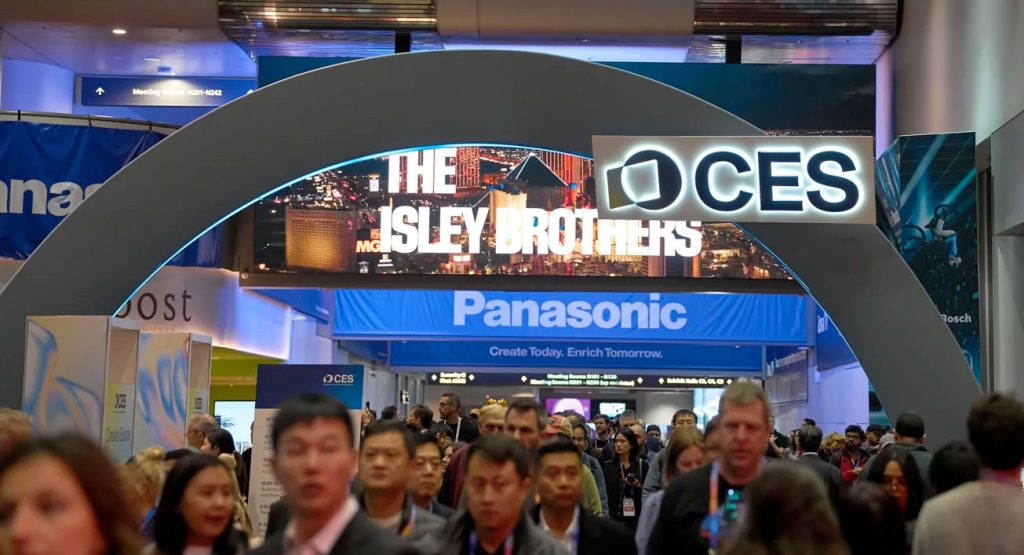
At BlueConnect, CES is one of our happy places. For us, nothing starts the year off better than the annual pilgrimage to Vegas and the incomparable excitement of the world’s premier electronics expo. Even for us longtime CES veterans, this year’s show felt distinctly futuristic, with plentiful robots and smart devices of every kind, all driven by AI.
Here are a few impressions of what impressed our team…
 Lew Brown, Senior Partner: The Silver Tsunami Is Finally Here
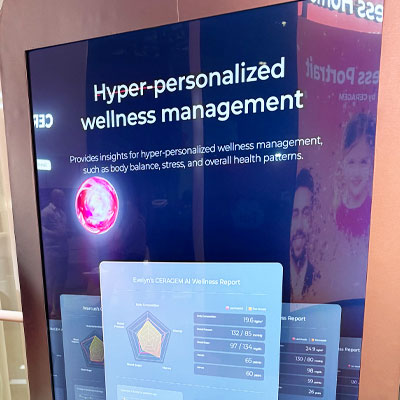
There was an almost unbelievable proliferation of devices and technologies focused on health and wellness, with seniors very much in mind. The oldest baby boomers are turning 80; even the youngest ones are about to turn 60. That’s an age when health and home safety are very much upfront concerns. It was interesting to see radar as a new player in the aging in place landscape. In the broader market, technologies that help people better manage their health are no longer aspirational, they’re mainstream. What’s missing is a sense of integration. Today, it’s a lot to ask of consumers to use separate apps to track their sleep, activity, vitals and maybe more. So far Apple seems to have the edge in bringing this all together. Will anyone else step up? Security companies? Smart home providers?
 Mary Miller, Senior Consultant: Batteries That Make Sustainable Sense
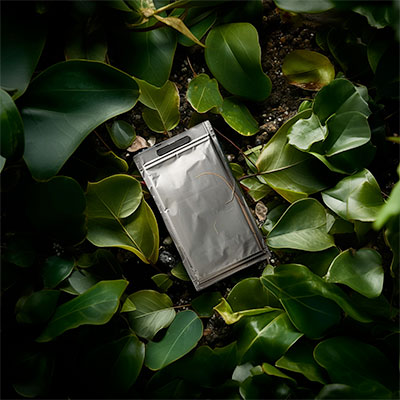
I was especially excited to see that the sustainability company Flint, which exhibited for the first time at last year’s CES, announced it will enter mass production later this year for its sustainable battery solution. Their technology is a true standout and has the potential to be world-changing. They’ve developed a new class of paper-based batteries made from engineered cellulose, zinc, and manganese, using a water-based hydrogel electrolyte. The result is a battery that’s fire-safe, leak-proof, cut-resistant, and fully compostable within weeks, while being completely free from lithium, cobalt, and toxic materials.
 David Kaplan, Senior Partner: Saturation May Be a Good Thing
At last year’s show, AI felt like a buzzword attached to everything, a bit amorphous. This year, we saw AI becoming infrastructure, embedded into practical products. Nowhere was all this more apparent than in health, wellness, and sleep. The halls were packed with devices measuring all sorts of biometrics, including a non‑invasive glucose‑monitoring ring, neuro‑driven sleep devices, smart mattresses, and a broad ecosystem of sleep‑tech contenders. Clearly there is demand, but far more companies than the market will support. Many of these products will fail; that’s not a bug, it’s how innovation works. CES will always feature concepts and products that make a splash on the show floor but never scale, or ship once and fade.
For organizations building in this environment, the challenge isn’t just creating something “cool at CES,” but turning it into a product that meets real needs, clears regulatory and channel hurdles, and can survive in the market. Our role is to help founders move from a compelling prototype to a durable business by sharpening value propositions, aligning with demand, and building channels that last.
 Laurie Dennis, Partner: Pet Tech Is Becoming Mainstream
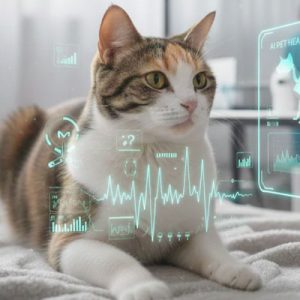
Tech has certainly taken a lot of the work out of owning a pet! Robotic litterboxes aren’t new, but the latest models can auto-refill the litter and even analyze feline health. There are now smart pet doors that let your dog come and go, but not the neighbor’s. Birders now have all kinds of products too, like smart feeders with AI-driven cameras that can identify more than 6,000 bird species. The pet tech market is already valued at $14b in the U.S. and it’s growing at more than 13% CAGR. It will be interesting when – not if – major non-pet tech brands decide to get in on the action.